About the Program
Geotechnical engineering is the systematic application of techniques that enable construction on, within, or in conjunction with geomaterials (soil and rock). Every civil engineering structure and construction project is related to the ground in some way, and therefore its design depends on the properties of the soil or rock. Geotechnical studies are important for investigating soil properties, controlling groundwater levels and flow, and understanding environmental and hydrological interactions. Foundation engineering, excavations and soil retention structures, underground structures, dams, natural or artificial fills, roads and airports, sub-foundations and soil structures, and slope stability assessments are examples of the practical applications of geotechnical engineering.
Despite significant advances in geotechnical engineering, many solutions remain approximate, primarily due to the inherently non-homogeneous nature of soils and prevailing environmental conditions. Furthermore, soils are more sensitive to local environmental conditions than other prefabricated construction materials, such as steel or concrete. Consequently, to more accurately predict the engineering performance and behavior of soil materials in projects, it is necessary to have a comprehensive understanding of the soil layer, its interactions with the environment, and its response to local conditions. Geotechnical engineering applications are the result of teamwork involving geologists, structural engineers, construction managers, hydraulic engineers, earthquake engineers, transportation engineers, and other related disciplines. The Geotechnical Engineering Master’s Program aims to train technical professionals and academics qualified to meet the needs outlined above. Graduates of the program have excellent employment prospects, particularly in academia, as well as in geotechnical engineering applications, consulting and inspection firms, and public institutions. These students will be experienced engineers with knowledge of soil and foundation engineering, as well as laboratory experience, and a aptitude for research, experimental work, and quality control tasks.
Department Chair
Prof. Dr. Bilge Doran
Email: doran@yildiz.edu.tr
Work Phone: 0212-3835130
Director of the Geotechnical Engineering Master’s Program
Prof. Dr. Suat AKBULUT
Email: sakbulut@yildiz.edu.tr
Office Phone: 0212 383 52 34
Vision
To be a graduate program in the field of geotechnical engineering that provides students with an education grounded in current knowledge and techniques, trains engineers and researchers capable of analytical thinking and adept at teamwork and interdisciplinary collaboration, and contributes to scientific research at both the national and international levels.
Mission
In line with the objectives outlined in our vision, our mission is to provide graduate-level education and to conduct research aimed at developing new knowledge and methods by keeping pace with scientific advancements at both the national and international levels.
Educational Objectives
EA1. Works
in management or operational roles at national and international private-sector or public institutions EA2. Contributes
to scientific and technological work at national and international research and development institutions or industrial organizations EA3. Continue
their education at the doctoral level at universities in Türkiye or abroad EA4. Serve as faculty members at state or foundation universities
Faculty
| Faculty Member's First and Last Name | Academic Title | Research Areas |
| Suat AKBULUT | Prof. Dr. | https://avesis.yildiz.edu.tr/sersoy |
| Havvanur KILIÇ | Prof. Dr. | https://avesis.yildiz.edu.tr/kilic |
| Pelin ÖZENER | Prof. Dr. | https://avesis.yildiz.edu.tr/tohumcu |
| Mehmet Şükrü ÖZÇOBAN | Assoc. Prof. Dr. | https://avesis.yildiz.edu.tr/ozcoban |
| Özgür YILDIZ | Associate Professor, Ph.D. | https://avesis.yildiz.edu.tr/wwww |
| Murat TONAROĞLU | Assistant Professor | https://avesis.yildiz.edu.tr/tonar |
| Murat Ergenekon SELÇUK | Assistant Professor | https://avesis.yildiz.edu.tr/meselcuk |
| Makbule ILGAÇ | Assistant Professor | https://avesis.yildiz.edu.tr/makbule.ilgac |
Course Plan
To earn a Master’s degree in Geotechnical Engineering, the program consists of at least seven courses totaling no fewer than twenty-one credits, the “Seminar” course, the “Research Methods and Scientific Ethics” course, the “Specialization Course,” and a thesis. The “Seminar” course and the thesis are non-credit courses and are graded as “pass” or “fail.” The “Specialization Course” is worth 3 credits and is also graded as “pass” or “fail.” Students must have selected their thesis topic and Specialization Course by the semester in which they intend to graduate. Students newly enrolled in the Master’s program first select their courses under the guidance of the Program Director; however, once they have selected their thesis advisor by the second semester at the latest, they select their subsequent courses in consultation with their thesis advisor. The lists of required and elective courses can be accessed via the Bologna webpage provided below.
Laboratory Facilities
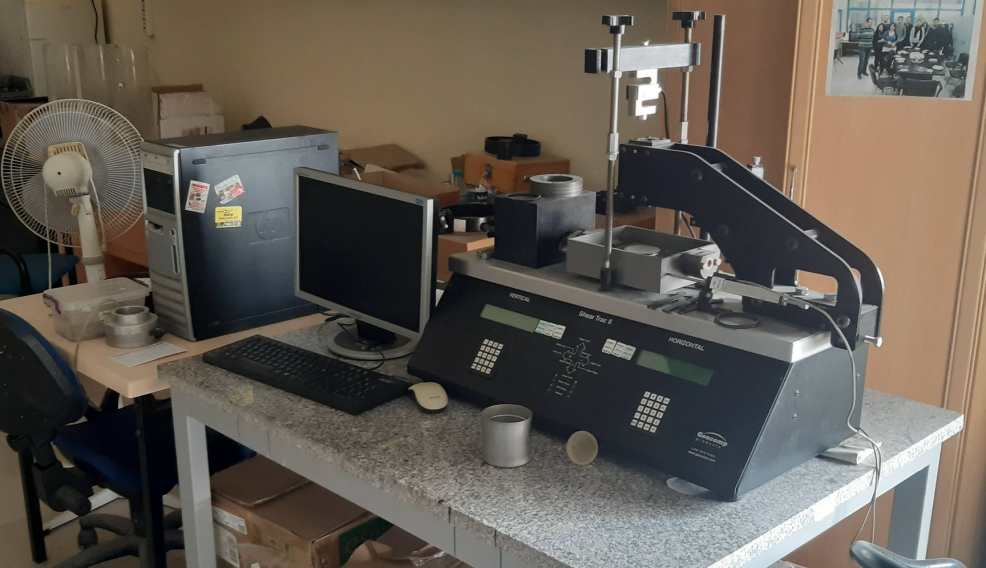
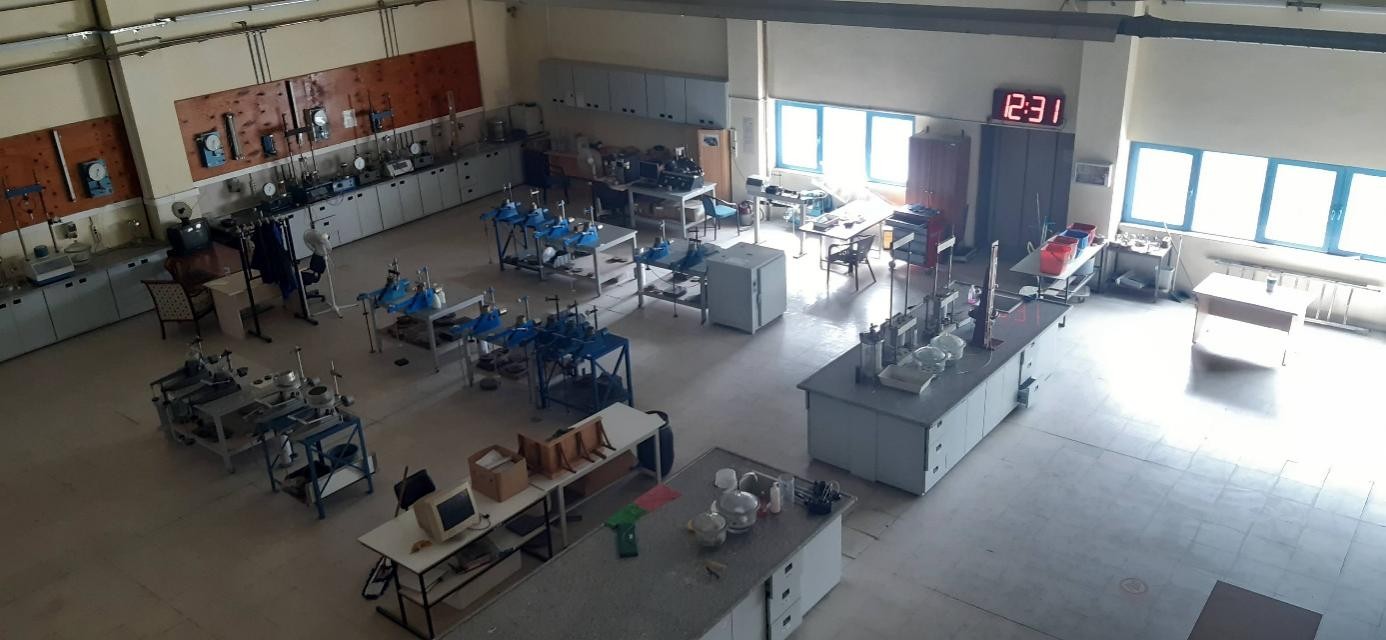
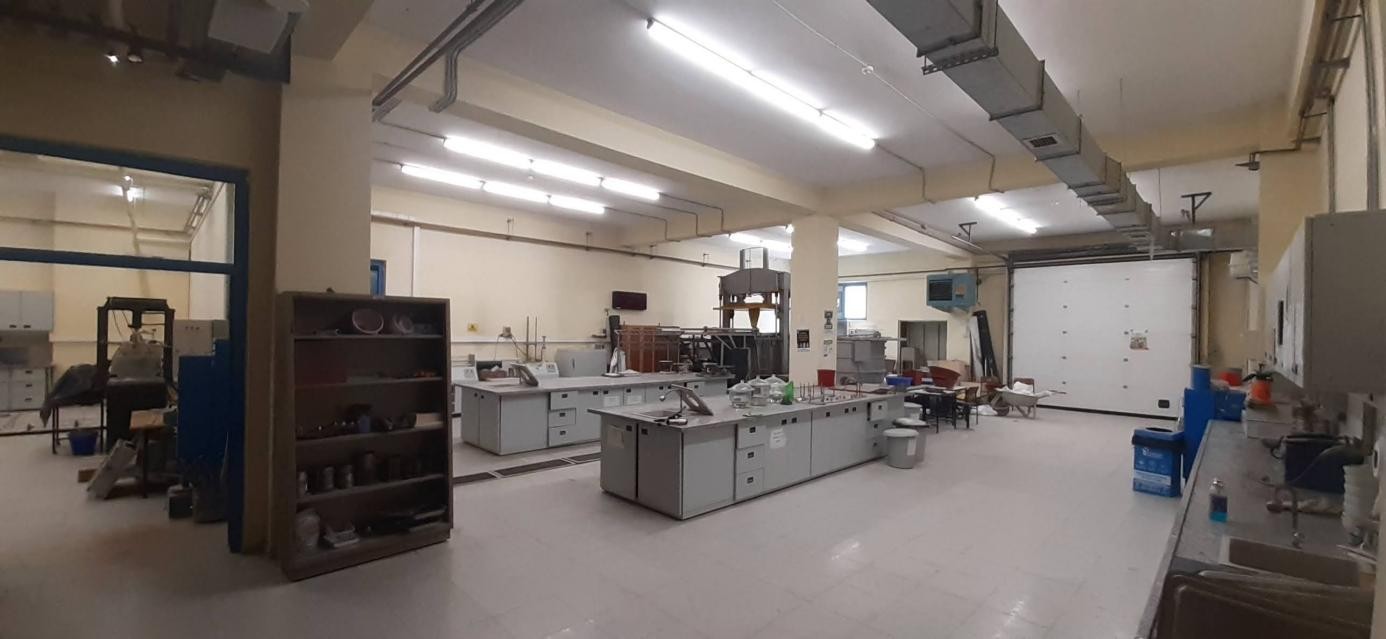
The Geotechnical Engineering Master’s Program offers opportunities for theoretical and experimental research in various fields related to geotechnical science. Current major research topics include the application of anchored sheet pile walls in deep excavations, dam stability, the seismic behavior of retaining structures, earthquake risk analyses, the use of interface elements in foundation engineering applications, model pile tests, and bearing capacity model tests in reinforced and unreinforced sandy soils.
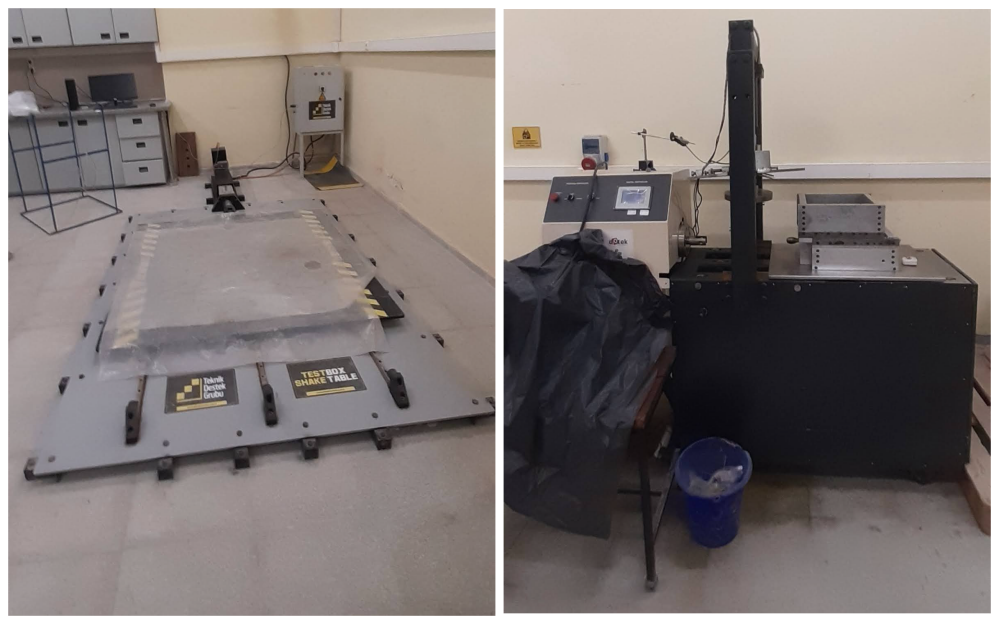
During the course of experimental and theoretical research, the most advanced computer programs and analytical and numerical methods are utilized, and the program offers access to a very extensive and up-to-date body of literature. In graduate education, in addition to the resources of the University Computer Center, students make use of the personal computers available within the Geotechnical Engineering Program.
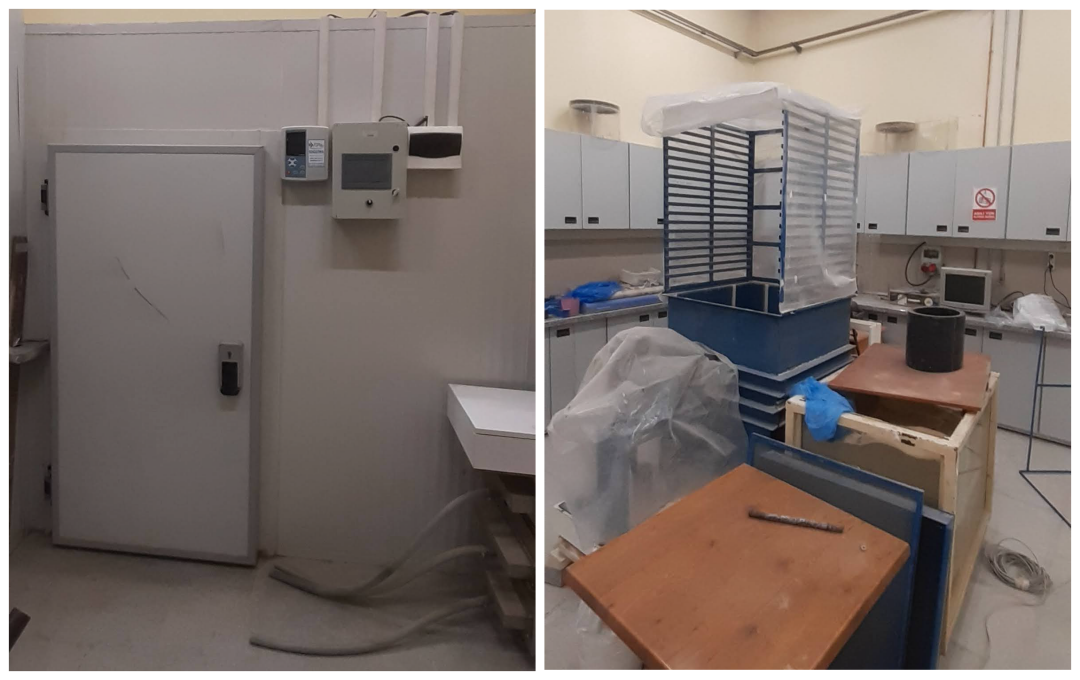
The Geotechnical Program includes two well-equipped laboratories—the Soil Mechanics Laboratory and the Geology Laboratory—where highly precise experiments can be conducted using a variety of mechanical and electronic equipment for research purposes.